


.jpg#joomlaImage://local-images/Webpics/slider2/mf60B (3).jpg?width=384&height=288)
.jpg#joomlaImage://local-images/Webpics/slider2/mf90B admas (5).jpg?width=5312&height=2988)
.jpg#joomlaImage://local-images/Webpics/slider2/mf90B admas (9).jpg?width=5312&height=2988)
Climate Protection through µFuel & µSoil Technology
Sustainable contribution to CO₂ reduction and the circular economy
The Bionic µFuel and µSoil technologies offer an innovative approach to effective climate protection: instead of merely avoiding CO₂, they actively remove carbon from the atmosphere and store it permanently in the soil. At the same time, they reduce harmful emissions in agriculture and create valuable products.
Permanent CO₂ Sequestration through Biochar
The principle of carbon binding
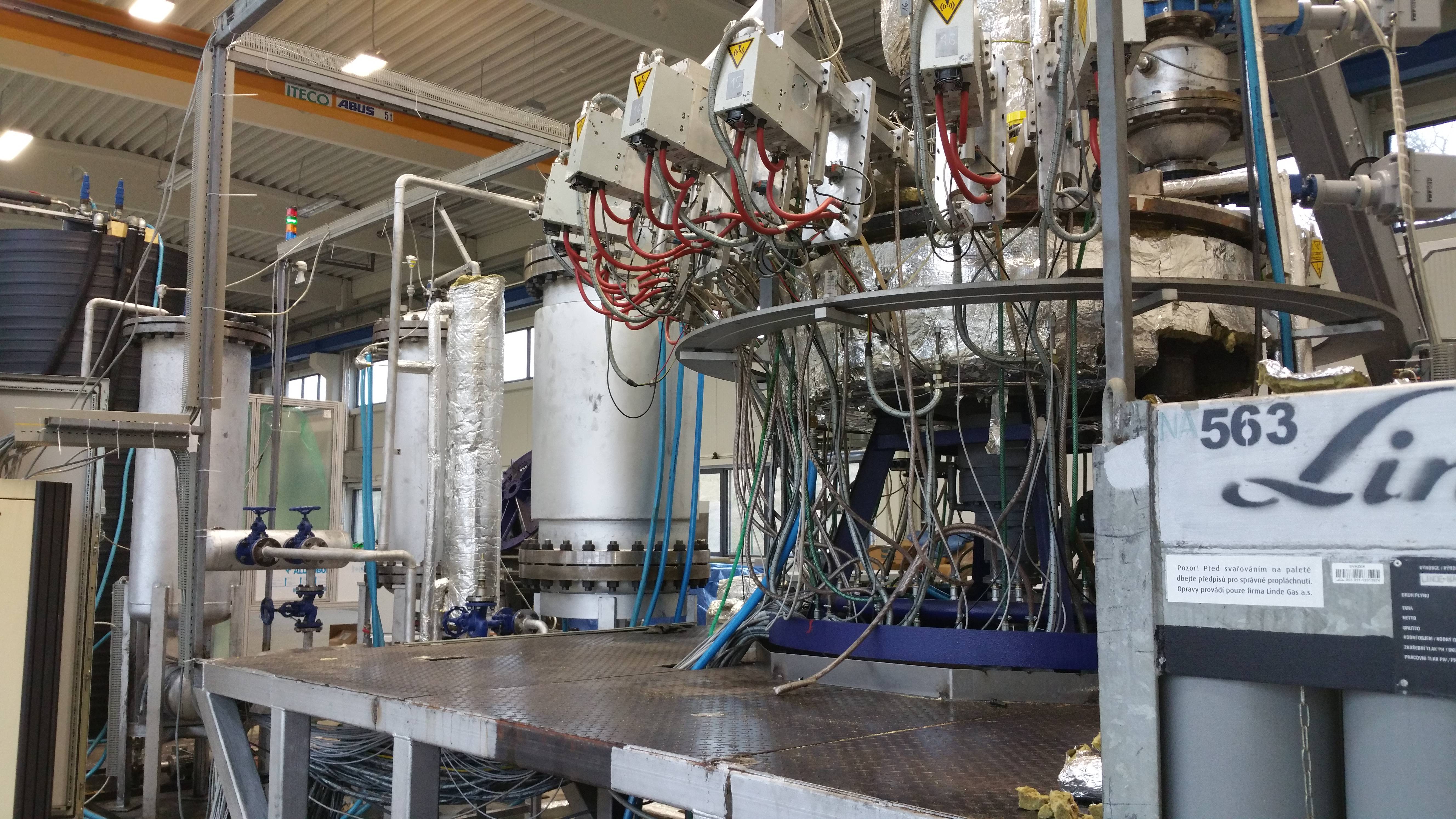
The µFuel process converts biomass through catalytic microwave depolymerization into several valuable fractions. The resulting biochar (µChar) is the key to long-term CO₂ removal from the atmosphere.
Highly stable biochar with century-scale durability
The biochar from the µFuel process is characterized by exceptional stability. With a very high carbon content and an energy density comparable to anthracite, it is not only valuable as a soil improver, but above all as a long-term carbon store.
When the biochar is applied to agricultural soils as a component of the µSoil fertilizer, the bound carbon remains stored in the soil for many centuries. Unlike plants that decompose or wood that is burned, the carbon from the biochar remains practically permanently sequestered in the soil.
Carbon Capture and Utilization (CCU)
The µFuel/µSoil technology is a CCU process that fundamentally differs from pure CCS approaches:
- Value creation instead of costs: The process generates marketable products and finances itself
- Natural storage: Carbon is used as a soil improver instead of being compressed underground
- Double benefit: Climate protection and yield increase in one
Conservative CO₂ balance with upside potential
Based on conservative calculations, a µFuel/µSoil plant removes around 23,500 tonnes of CO₂ per year from the atmosphere. This calculation, however, does not yet include all positive effects from field application.
Additional CO₂ reduction potential
The actual CO₂ balance can be improved significantly by several factors:
Conversion to organic farming: By using µSoil, farms can more easily convert to organic agriculture, avoiding additional emissions from pesticide and herbicide production.
Use in animal husbandry: The highly porous Bionic µChar can be used in livestock housing for early nitrogen adsorption. This not only significantly reduces ammonia emissions in stables, but also enriches the material with nitrogen. The resulting nitrogen-enriched product is then further processed into µSoil, increasing its fertilizing value.
Field effects: Long-term soil improvements through µSoil lead to further indirect CO₂ reductions due to reduced machinery use, lower irrigation requirements and improved soil health.
The final CO₂ savings calculation is reserved for accredited certifiers and will in all likelihood increase significantly once all factors are fully accounted for.
Reduction of Greenhouse Gases in Agriculture
The problem with synthetic fertilizers
Conventional agriculture with synthetic NPK fertilizers contributes significantly to climate change. The production of nitrogen fertilizer is extremely energy-intensive, and its application results in two climate-relevant emissions:
Nitrous oxide (N₂O): A portion of the applied nitrogen is released as nitrous oxide – a greenhouse gas that is almost 300 times more harmful to the climate than CO₂.
Ammonia (NH₃): Through volatilization, substantial amounts of ammonia are lost to the atmosphere, leading to acidification of soils and waters and indirectly triggering additional greenhouse gas emissions.
µSoil as a sustainable alternative
The µSoil product replaces synthetic fertilizers with an organic soil improver that offers several advantages:
Slow and demand-driven nutrient release
The nutrients in µSoil are organically bound and are released continuously over the entire growing season. This prevents shock loading in the soil and significantly reduces N₂O formation.
Minimized ammonia losses
Due to the porous structure of the contained biochar, nutrients are effectively retained in the soil. Ammonia volatilization is significantly reduced and leaching into groundwater is minimized.
Improved soil microbiology
µSoil is enriched with specific microorganisms that promote a healthy soil biology. These microbes help plants to absorb nutrients more efficiently, which reduces fertilizer demand and lowers emissions.
Humus Formation for Long-Term Soil Fertility
In addition to stable biochar, µSoil also contains humus-forming organic components. These contribute to improving soil structure and sequester additional carbon in the soil for more than a century.
The built-up humus improves:
- The water retention capacity of the soil
- Aeration and root development
- Nutrient availability
- Resistance to erosion
Circular Economy and Resource Efficiency
Utilization of organic residues
µSoil production integrates various organic waste streams into a meaningful circular system:
- Wood residues from forestry and the wood industry are converted into biochar
- Manure and slurry from animal husbandry provide nutrients
- Biogas digestate is further utilized instead of being disposed of
- Green waste and agricultural residues are used
Avoidance of methane emissions
By processing manure and organic waste in the µSoil process, methane emissions are avoided that would otherwise arise during storage or composting. Methane is a particularly climate-damaging greenhouse gas with approximately 25 times the global warming potential of CO₂.
Additional Environmental Benefits
Water retention and drought resilience
The contained biochar can store many times its own weight in water. In times of increasing aridity and drought, this is a crucial advantage:
- Reduced irrigation demand
- Better plant development even under dry conditions
- Lower energy and water consumption
Improved crop yields
Field trials show that µSoil not only helps the climate, but also significantly boosts agricultural productivity:
- Higher biomass yields
- Earlier harvest maturity
- Improved product quality
- Lower resource input per unit of yield
Certification and Transparency
EU ETS-compliant CO₂ accounting
All CO₂ sequestration achieved through µSoil is certified according to the strict standards of the EU Emissions Trading System (EU ETS):
- Regular audits by accredited verifiers
- Continuous monitoring of carbon sequestration
- Transparent reporting for full traceability
Recognition by the IPCC
The use of biochar for CO₂ sequestration was already recognized in the 2018 IPCC report as one of the most effective measures for removing carbon dioxide from the atmosphere.
Long-Term Perspective
Scalability of the technology
The µFuel/µSoil technology can be scaled flexibly. Plants can be built in different sizes and combined into clusters to meet specific local requirements.
Growing CO₂ sinks
A special feature of the system is its ability for self-driven growth. Through the innovative financing model (Bionic Carbon Token), new plants can be built continuously, allowing CO₂ sink capacity to grow exponentially over time.
Lasting impact
Once incorporated into the soil, biochar has an almost unlimited effect. The bound carbon remains removed from the atmosphere for centuries, while soil fertility is permanently improved.
Economic Sustainability
Profitable without subsidies
The Bionic technology is among the few CO₂-negative technologies worldwide that are inherently profitable – without subsidies. This economic independence makes the technology particularly attractive and sustainably scalable.
Fast return on investment
A µFuel/µSoil plant achieves a return on investment (ROI) of under 5 years. This short payback period makes investments in the technology highly attractive and enables rapid growth of CO₂ sink capacities.
Profitability through product sales
In contrast to many climate protection measures that merely generate costs, the µFuel/µSoil system finances itself through the sale of high-quality products:
- µSoil: Organic fertilizer and soil improver
- Bio-oil: Feedstock for refineries to comply with the EU biofuel mandate
- CO₂ offsets: Tradable emission certificates
Local value creation
The decentralized nature of the technology enables local value creation:
- Regional processing of biomass
- Local jobs
- Short transport distances
- Strengthening rural regions
Summary: Multiple Benefits for Climate and Environment
The Bionic µFuel and µSoil technologies offer a holistic approach to sustainable climate protection:
- Active CO₂ removal of approximately 23,500 tonnes per plant and year
- Permanent carbon storage in the soil for centuries
- Profitable without subsidies – one of the few economically viable CO₂-negative technologies
- ROI under 5 years – rapid payback of the investment
- Reduction of nitrous oxide (N₂O) through NPK fertilizer substitution
- Minimization of ammonia (NH₃) losses in agriculture
- Methane avoidance through the utilization of organic residues
- Additional NH3 reduction potential through use in stables and soil effects
- Improved soil fertility and crop resilience
- EU ETS-certified and scientifically recognized
The technology demonstrates that effective climate protection and economic sustainability can go hand in hand – for a truly sustainable future.