


.jpg#joomlaImage://local-images/Webpics/slider2/mf60B (3).jpg?width=384&height=288)
.jpg#joomlaImage://local-images/Webpics/slider2/mf90B admas (5).jpg?width=5312&height=2988)
.jpg#joomlaImage://local-images/Webpics/slider2/mf90B admas (9).jpg?width=5312&height=2988)
Shaping the Energy Transition Intelligently: µFuel Technology as a Bridge Between Renewable Power Generation and On-Demand Energy Supply
The Challenge: Using Wind Energy Efficiently
Wind turbines produce electricity precisely when the wind blows – not necessarily when it is needed. On windy days, electricity surpluses are generated that burden the grid and lead to negative prices on the power exchange. At the same time, energy is lacking during calm periods when it is urgently needed. The solution? An intelligent coupling of energy generation, storage, and reconversion.
µFuel Technology: From Waste to Energy Carrier
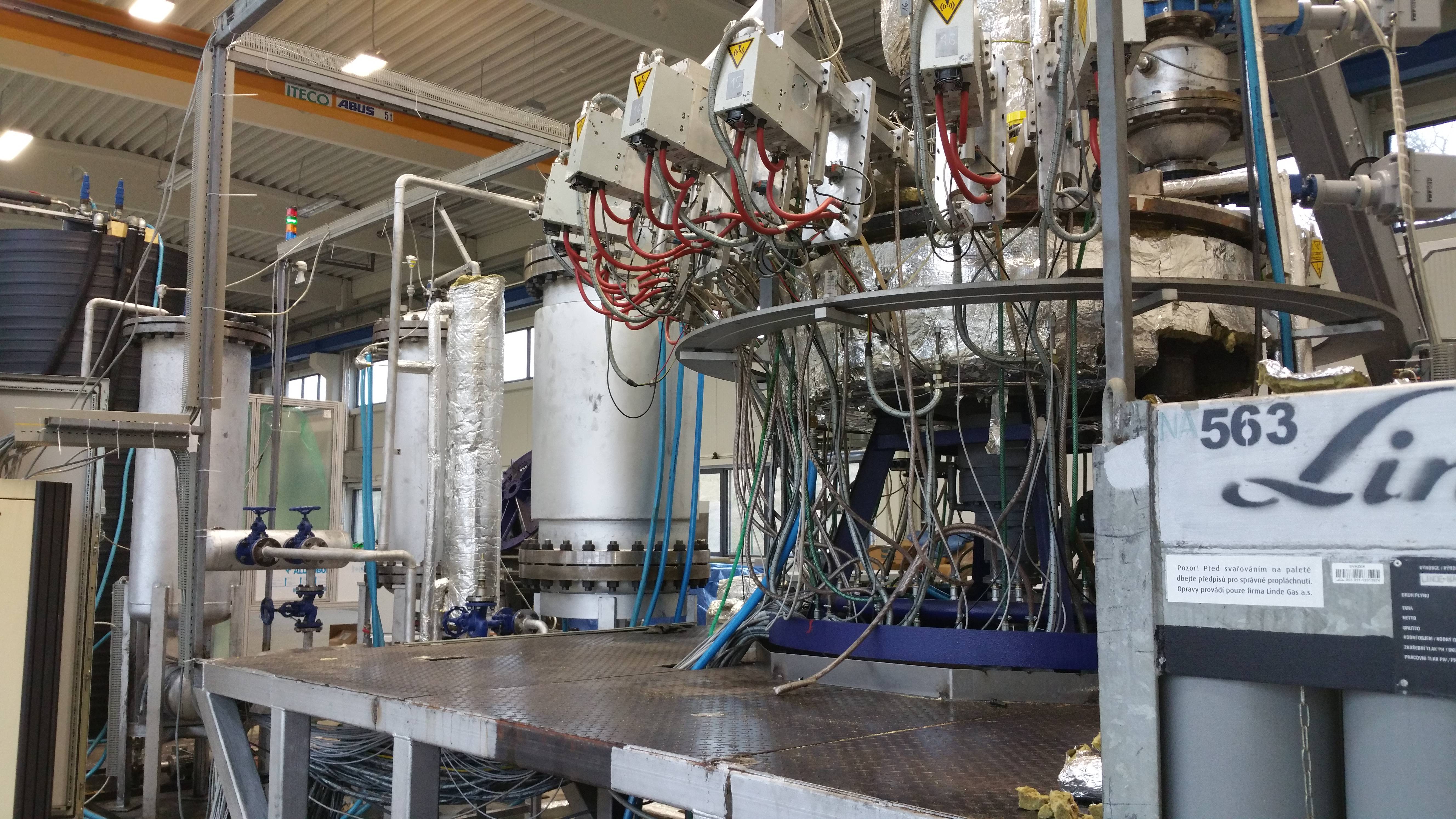
Bionic's µFuel technology uses highly efficient microwave pyrolysis to convert organic residues and waste materials into valuable energy carriers. Whether biomass, sewage sludge, plastic waste, or scrap tires – within minutes, pyrolytic oils with high calorific value, synthesis gas, and high-quality biochar are produced.
What makes it special: The process can be flexibly controlled and only requires energy when it is available at low cost.
The Perfect Synergy: µFuel + Power Plant
Scenario 1: Wind Farm with Integrated Energy Hub
A wind farm is expanded with a µFuel plant. During electricity surplus and low prices, the pyrolysis plant runs at full capacity and converts regionally available biomass or waste materials into pyrolysis oil. This is stored in tanks.
During calm periods or peak demand: The stored oil is converted into electricity in combined heat and power (CHP) plants or gas turbines, supplying energy precisely when it is needed.
The numbers speak for themselves:
3,000 tons of bio-oil per year with a calorific value of 32 MJ/kg
Energy content: Approximately 26.7 GWh of thermal energy
Electrical power generation: At 40% efficiency in CHP plants, approximately 10.7 GWh of electricity
Additional heat: With combined heat and power, an additional 13-16 GWh of usable thermal energy
This corresponds to the annual electricity consumption of approximately 3,000 households!
Advantages:
Energy storage in liquid form is simpler than batteries and more cost-effective than hydrogen. The technology enables baseload capability through continuous power supply instead of weather-dependent fluctuations. Additionally, grid stabilization occurs through rapid response to peak demands. The CO₂ cycle is closed, as the CO₂ released during combustion was previously absorbed by plants.
Scenario 2: Industrial Power Plant with Waste Utilization
An industrial company operates its own power plant while simultaneously generating organic waste or plastic residues. The µFuel plant runs at night or on weekends when electricity rates are low, producing fuel for its own energy supply.
Concrete performance data:
With 3,000 tons of bio-oil per year, a medium-sized combined heat and power plant (1-2 MW electrical) can be operated continuously. At 8,000 operating hours, this corresponds to permanent availability for baseload or peak load coverage.
Multiple benefits:
Disposal costs are converted into energy gains, creating independence from fossil fuels. The reduction in energy procurement costs goes hand in hand with a positive CO₂ balance through waste prevention.
Scenario 3: Municipal Energy Management
A municipality combines wind power, organic waste utilization, and district heating: During the day when windy, the µFuel plant produces oil from green waste, landscape maintenance material, and organic waste. In the evenings and at night, a CHP plant uses the oil for electricity and heat generation. As an additional product, biochar is produced as a soil amendment for local agriculture.
With 3,000 tons of bio-oil, approximately 10-12 GWh of heat can be fed into a district heating network – enough for several hundred households.
Technical Integration: How It Works
An energy management system monitors electricity prices and grid conditions in real-time. When prices are favorable, the µFuel plant starts automatically. The produced pyrolysis oil (3,000 tons per year) is pumped into storage tanks, utilizing existing infrastructure. When needed, the power plant or CHP uses the oil for electricity generation. The biochar is marketed as a by-product or used for CO₂ sequestration.
Storage capacity:
At a density of approximately 0.9-1.0 kg/l, 3,000 tons correspond to about 3-3.3 million liters. Standard oil tanks can store an energy reserve for several weeks of power plant operation.
Environmental Impact: Multiple Benefits for Climate and Resources
CO₂ balance per year:
Replacement of fossil fuels: Savings of approximately 3,000 tons of CO₂ (compared to heating oil)
Biochar storage: Additional sequestration of 1,500-2,500 tons of CO₂ equivalent
Avoided methane emissions: Through utilization instead of landfilling organic waste
Total savings: 4,500-5,500 tons of CO₂ equivalent per year
Additional benefits:
The circular economy converts waste into energy. Resource conservation occurs through utilization of local residues. Grid stability is improved through intelligent load management, relieving pressure on electrical grids.
Conclusion: The Future is Flexible and Circular
The combination of µFuel technology and power plants creates an intelligent energy system that leverages the strengths of renewable energies while compensating for their weaknesses. With an annual production of 3,000 tons of bio-oil (26.7 GWh energy content), surplus wind power is no longer given away but converted into a storable, on-demand energy carrier.
The result: A resilient, economical, and sustainable energy supply that unites climate protection and supply security – while converting local waste streams into valuable energy.
About Bionic µFuel:
Bionic Laboratories' µFuel technology uses innovative microwave pyrolysis for rapid and efficient conversion of biomass and waste into high-quality energy carriers. With an annual capacity of 3,000 tons of bio-oil, the technology is ideal for decentralized energy concepts and integration into existing power plant structures. Modular, scalable, and perfect for the energy transition.