



🚀 The Agricultural Revolution Begins in the Soil: Bionic µSoil – The High-Tech Upgrade of Terra Preta
Modern agriculture faces global challenges: the need to secure yields while simultaneously dealing with depleted soils, water bodies stressed by nutrient overload, and the imperative to reduce emissions. Conventional mineral fertilizers are energy-intensive to produce and prone to leaching. Bionic Group delivers a revolutionary answer with Bionic µSoil. This is a holistic, bionic system that combines the unique principles of ancient, highly fertile Terra Preta – renowned for its centuries-long fertility – with state-of-the-art process engineering and biotechnology. This product is the key to environmentally friendly, proactive agriculture that optimally balances ecology, economic viability, and resource conservation.
I. The Technology: Bionic Char and Bio-Elite Process – A Closed Loop
Bionic µSoil combines two highly specialized core processes to produce a high-quality organic long-term fertilizer and permanent soil improver that upgrades agricultural secondary raw materials.
1. Bionic µChar: Nutrient Reservoir and Carbon Sink
The manufacturing process begins with Bionic µFuel microwave depolymerization of biomass. Unlike conventional, energy-intensive pyrolysis processes, this special microwave technology guarantees more precise and efficient conversion. This creates Bionic µChar – a highly reactive biochar with an extremely large, highly porous surface.
- Multifunctional Structure: The porous structure of µChar significantly increases the cation exchange capacity of the soil. It functions as a "sponge" that permanently binds and stores nutrients, moisture, and microorganisms in the root horizon.
- Energy from By-products: The efficiency of microwave depolymerization is also evident in the fact that high-quality bio-oils are produced as by-products, which can serve as replacements for fossil fuels in energy generation or as raw materials in the petrochemical industry. This maximizes the value creation from the biomass used.
2. The Refinement: Sanitization, Activation, and Biology
The µChar is activated in a further step and returned to the cycle.
- Biological Activation: The µChar is specifically inoculated with natural bacterial and fungal cultures. These microorganisms, produced according to the German Organic Quality Seal, are not just additions but active partners that work in symbiosis with plant roots. They mobilize nutrients from the bound complex and ensure optimal nutrient transfer to the plant.
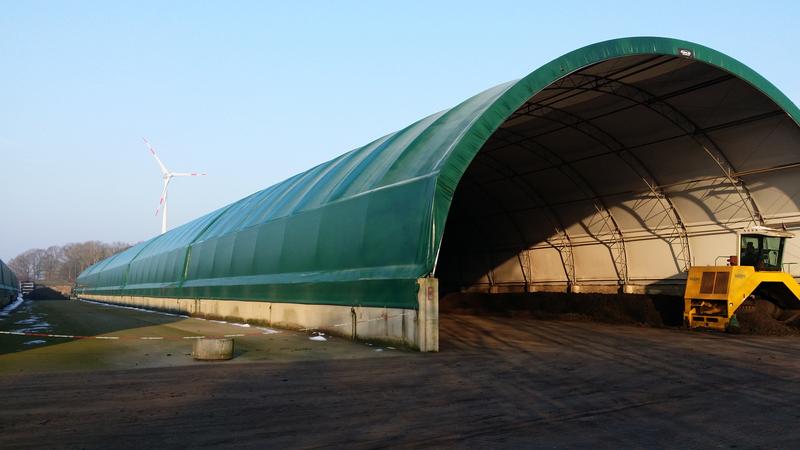
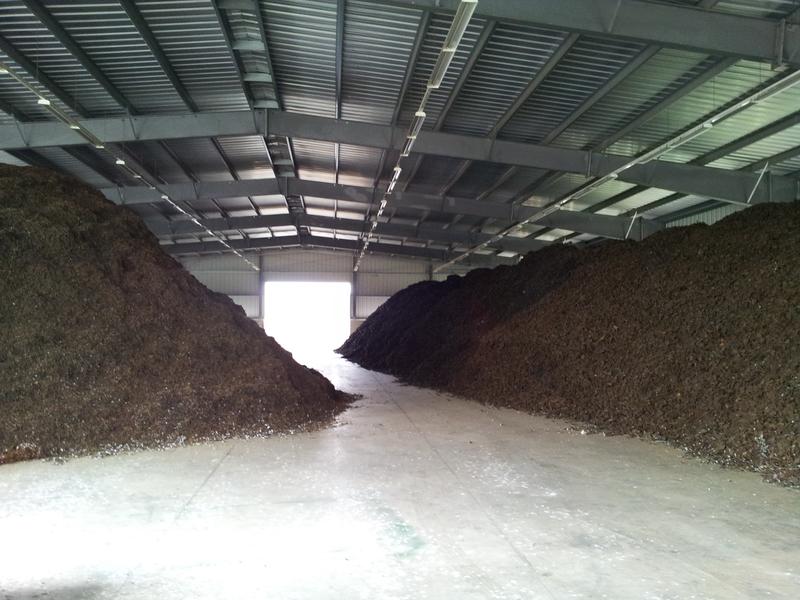
- Thermophilic Fermentation and C/N Management: The activated carbon is then combined in a thermophilic fermentation process with nutrient-rich organic manure (liquid manure, solid manure, digestate) and additional organic biomass. This special process is crucial for guaranteed sanitization. The high temperatures reliably eliminate pathogens and animal antibiotics – a critical advantage over the direct application of raw manure, which can contribute to the spread of resistance. At the same time, the optimal C/N ratio is precisely adjusted, enabling stable long-term fertilization.
II. 💧 Environmental Protection and Agricultural Benefits – The Sustainability Guarantee
Bionic µSoil is a systemic solution that solves critical environmental problems while simultaneously increasing agricultural productivity.
1. Absolute Water Protection and Nutrient Security
- No Leaching: The minerals N (nitrogen), P (phosphate), and K (potassium) as well as micronutrients are chemically stabilized in a sparingly water-soluble organic complex in Bionic µSoil through special processing.
- Regulatory Compliance: This fixation of fertilizer nutrients effectively protects them from leaching into surface waters and groundwater. This prevents the ecologically and politically sensitive contamination by nitrate and phosphate and ensures compliance with the strict EU Nitrates Directive and the WFD (Water Framework Directive). This protects our drinking water reserves long-term.
2. Hygiene, Climate, and CO₂ Sink
- Pollutant Elimination: The process ensures that the end product is free from animal antibiotics and pathogenic germs, thereby excluding these health risks from the agricultural cycle. Additionally, attractants and odors for pests are neutralized.
- Active Carbon Sink: The biochar incorporated into the soil has a decomposition time of several centuries. The treated area thus becomes a permanent long-term carbon sink. This directly contributes to a massive reduction in climate-relevant gases by permanently fixing atmospheric CO₂ in the soil. At the same time, harmful ammonia (NH₄) emissions during application are greatly reduced.
3. Efficiency, Resilience, and Soil Health
- Restoration and Humus Building: Soils that have been depleted by intensive monocultures (e.g., rapeseed-corn crop rotations) and show a declining humus balance experience sustainable restoration of soil fertility in just 1–2 years. Soil microbiology and soil structure (aeration and aggregate stability) are improved.
- Climate Resilience and Water Management: The significantly increased water storage capacity of the highly porous µChar reduces irrigation requirements during dry periods significantly. This is a crucial advantage for stabilizing yields under changing climate conditions and making agriculture more resilient.
- Economic Viability: Thanks to the long-term effect of over 2 years and the high nutrient content (60 – 80% humus content), farmers can in many cases completely eliminate expensive synthetic fertilizer additions after the first year of application, representing a considerable reduction in operating costs. The improved yield stability also protects against crop failures and market volatility.
III. 🎯 Diverse Applications – From Flower Pot to Garden, Field, and Wasteland
The long-term effect, organic safety, and ease of use open up broad application areas for Bionic µSoil:
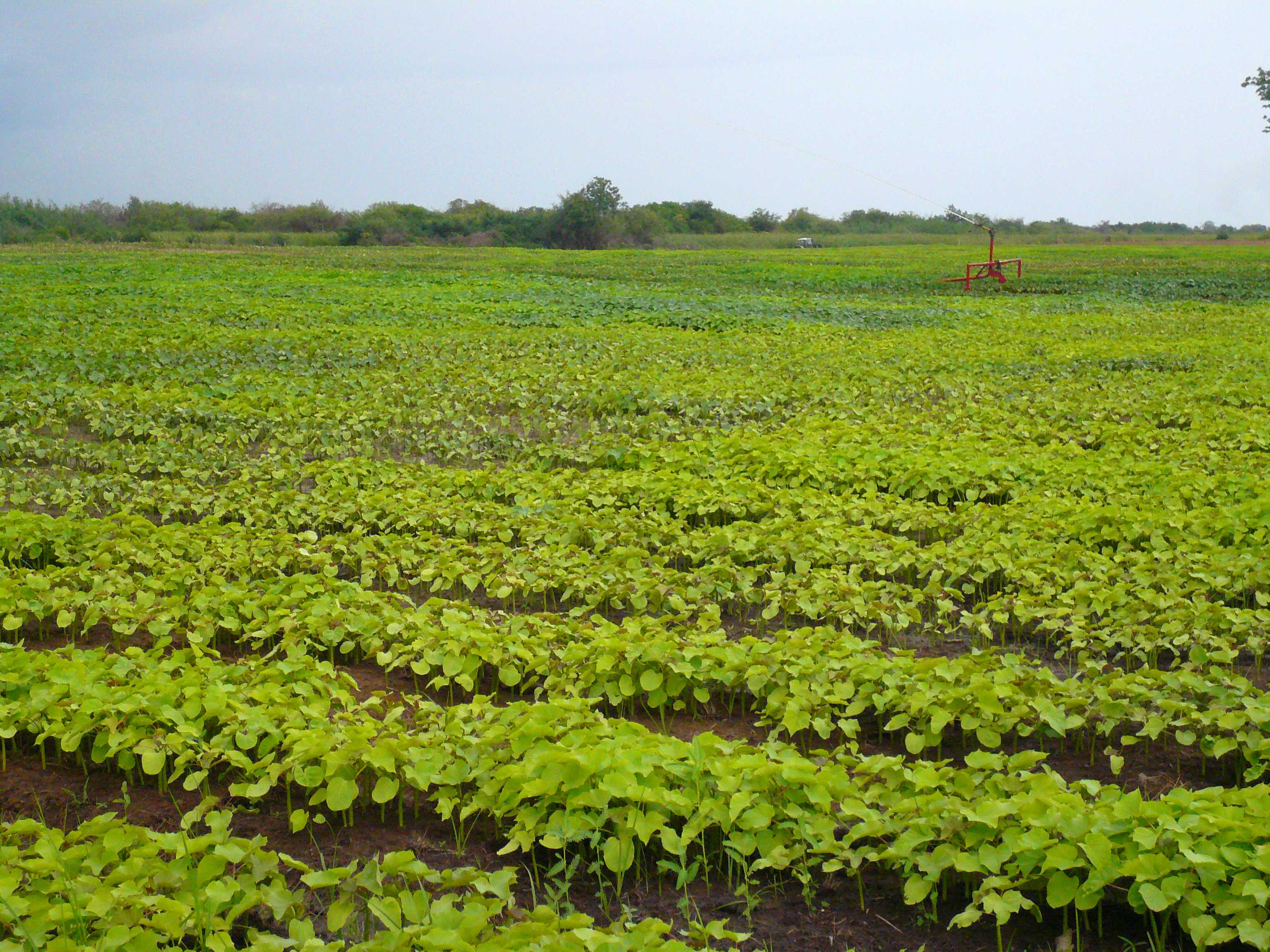
- Professional Agriculture and Specialty Crops: Use in arable farming, but also in demanding specialty crops such as viticulture, fruit growing, and vegetable cultivation. Here, optimal biological nutrient supply not only leads to higher yields but also improves taste quality. In the fodder crop sector, protein content is also increased.
- Forestry and Restoration: The product is excellently suited to support tree development in forestry. Special potential lies in the targeted restoration of steppe, erosion, and desert areas. Here, the combination of biochar and organic matter binds moisture and nutrients, creates fertile islands, and actively supports the fight against desertification.
- Soil Remediation: The system has also been successfully applied in the recultivation and revitalization of industrial brownfields to make these areas usable again.
- Home Gardening: As a highly effective, organic long-term fertilizer, it is also optimally suited for home gardens or urban farming projects.
The final product is storable for up to 10 years, highly concentrated, organically safe, and enables reserve fertilization independent of extreme weather conditions. Application can be carried out without problems using conventional agricultural machinery. Bionic µSoil is thus a universal and future-proof component for anyone who values healthy soils and sustainable growth.
🔍 Bionic µSoil – Key Features at a Glance
| Property | Detail |
| Nutrient Content | High concentration of N, P, K, CaO, MgO, micronutrients, 60 – 80% humus content. |
| Ecology | Free from antibiotics and pathogenic germs; active carbon sink; massive reduction of CO₂ and NH₄. |
| Duration of Effect | Long-term effect over 2 years and more; increase in soil fertility. |
| Water Balance | Greatly increased water storage capacity; reduces irrigation requirements during dry periods. |
| Economic Viability | Significant reduction in operating costs through reduced need for synthetic fertilizers. |
| Legal Compliance | Complies with EU Fertilizer Regulation; bio-microorganisms according to German Organic Quality Seal. |
Bionic µSoil is the bionic application of a natural process that can significantly contribute to improved sustainability in modern agriculture.